

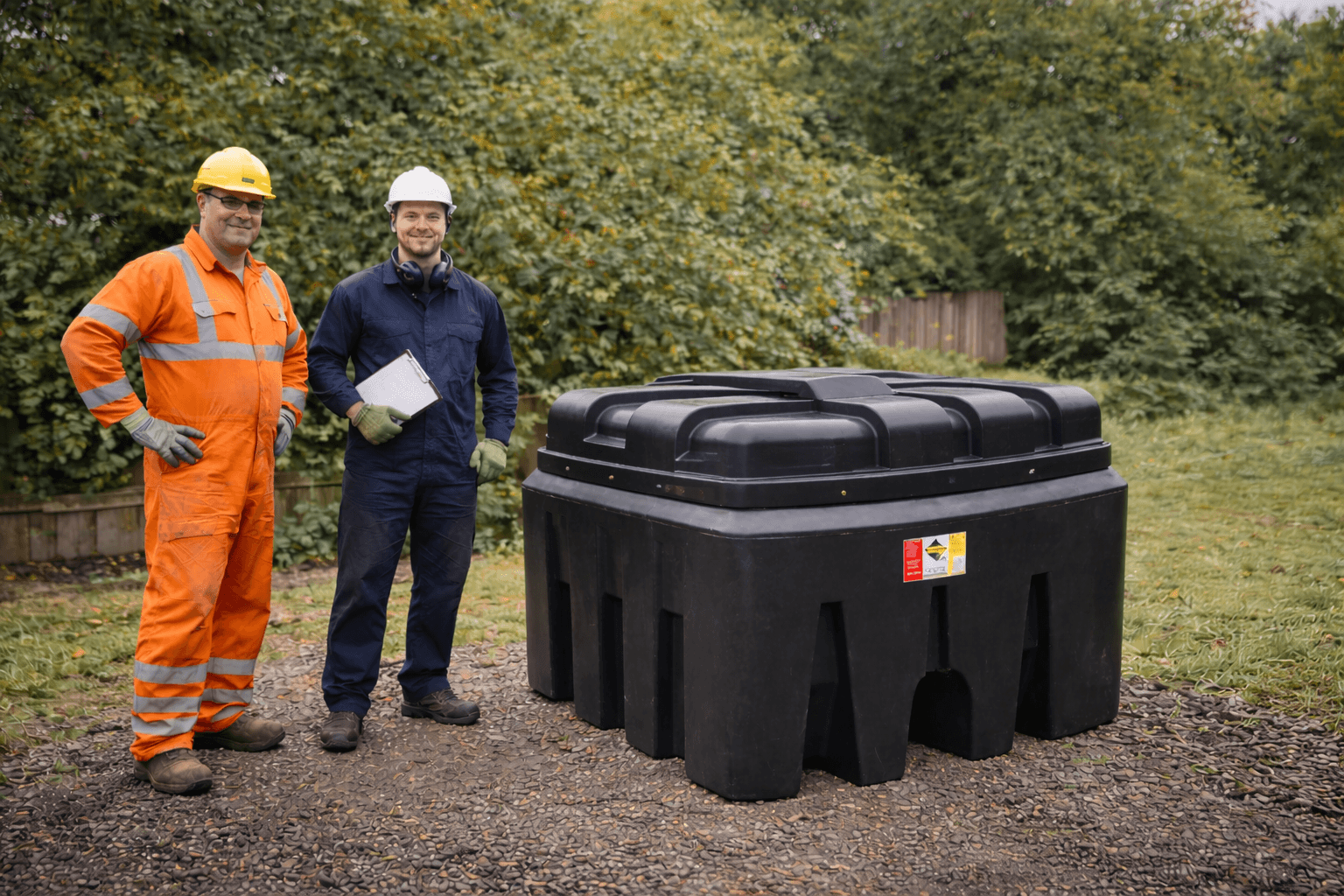
How to Decommission an Old Heating Oil Tank Safely
Decommissioning an old heating oil tank is not something homeowners should treat as a simple disconnect-and-remove job. Whether you are replacing an ageing tank, switching to a different heating system, or carrying out property works that make the tank redundant, the process needs to be handled properly to reduce the risk of spills, contamination, and future liability. UK guidance and industry best practice are clear that old tanks should be emptied, made safe, and disposed of lawfully rather than left sitting unused without proper action.
For most homes, the safest approach is to use qualified professionals who can remove remaining oil, deal with sludge or residue, disconnect associated pipework, and make sure the tank is removed or disposed of responsibly. If you also need help staying supplied during a tank replacement or wider heating transition, you can visit OTP Energy or view the company’s service offering here: OTP Energy services.
When does an old oil tank need to be decommissioned?
There are a few common situations where oil tank decommissioning becomes necessary. The most obvious is tank replacement. If an existing tank is deteriorating, leaking, unstable, or simply reaching the end of its usable life, it usually makes more sense to remove it properly rather than leave it in place. Oil Tanks Plus notes that tanks often need decommissioning when they are being replaced, when homeowners move to a different heating system, or when renovation works mean the existing tank location no longer works.
Decommissioning can also be necessary when a homeowner is switching away from oil heating altogether. Once a tank is no longer in use, it can still pose an environmental risk if residual fuel or sludge remains inside. GOV.UK’s underground tank guidance is especially firm on this point, warning that tanks and associated pipework left in place can still create pollution risks if product remains in the system and is no longer being monitored or maintained.
Why proper decommissioning matters
The biggest reason to handle oil tank removal properly is pollution prevention. Heating oil leaks can contaminate soil, drains, and groundwater, and even relatively small losses can become expensive to clean up. GOV.UK’s guidance on underground fuel storage says decommissioning must be planned so there is no loss of fuel to the ground and no product left behind in tanks, pipes, or drains. It also says contaminated tanks and pipework must be disposed of lawfully using the relevant waste controls.
That is why this is not just a tidy-up job. It is a safety and environmental task. Oil Tanks Plus makes the same point in its domestic removal guidance, explaining that old tanks must be dealt with carefully to prevent leaks, soil contamination, and wider regulatory issues.
The key steps in decommissioning a heating oil tank
The first step is removing any remaining oil from the tank. This needs to be done safely using the right pumping equipment. In some cases, usable fuel may be transferred into a replacement tank or stored appropriately, depending on the condition of the oil and the wider job being carried out. Oil Tanks Plus describes safe removal of remaining oil as the first stage of domestic tank decommissioning. GOV.UK refers to the equivalent process for underground tanks as removing the residual product, or “bottoming.”
Next comes dealing with sludge, residue, and vapours. Even after most of the oil has been pumped out, tanks can still contain contaminated residue and potentially hazardous vapours. GOV.UK says underground tanks must be made safe after bottoming by removing explosive vapours before removal, and that any water or waste generated through the process must be disposed of properly. That source is specific to underground tanks, but the basic safety principle also helps explain why domestic removals should not be improvised.
After that, the tank and associated pipework need to be cleaned, disconnected, and removed or otherwise permanently made safe. GOV.UK says underground decommissioning should include removal and cleaning of tanks, pipes, dispensers, and separators, while Oil Tanks Plus explains that domestic tank decommissioning includes safe disconnection and lawful disposal or recycling.
Is it ever acceptable to leave an oil tank in place?
Sometimes people assume an old tank can simply be left where it is once it is no longer needed. That is not something to do casually. GOV.UK says underground tanks should be removed with associated pipework where they are unlikely to be used again, because leaving them in place creates a risk that product remains in equipment that is no longer being monitored. Where a tank is left in place, it must be made safe through an appropriate inerting process, and records should be kept of capacity, contents, method of decommissioning, and date.
For most domestic homeowners, the practical takeaway is that “leave it there and forget about it” is not a safe plan. If a tank is redundant, the right answer is usually professional advice followed by proper removal or formal decommissioning.
Why professional oil tank removal is usually the safest option
Hiring qualified professionals reduces the chance of spills, unsafe handling, and improper disposal. It also makes it easier to ensure the job is documented correctly. GOV.UK says contaminated tanks and pipework must be disposed of lawfully and that relevant waste management requirements must be followed, including using registered waste carriers where required. It also notes that soil and groundwater sampling may be needed for underground tank jobs, often with support from a qualified environmental consultant.
Oil Tanks Plus also recommends professional removal services for domestic homeowners, noting that the work involves more than simply taking the tank away. The process includes safe handling of fuel, protection of the surrounding ground, and responsible disposal.
If you are replacing a tank or changing your heating setup, using the right specialists also helps avoid a gap in your fuel planning. OTP Energy states that it provides heating oil delivery across the UK for homes and businesses, which may be useful when managing supply during a replacement project or short-term disruption.
What documents and checks should homeowners think about?
Before decommissioning starts, it helps to gather any details you have about the tank’s age, maintenance history, location, and the reason for removal. If the tank is underground, GOV.UK says a full environmental risk assessment and soil or groundwater sampling may be needed before, during, and after decommissioning. That level of assessment is tied to underground tank risk, not every standard above-ground domestic tank, but it shows how important documentation can become once pollution risk is involved.
For ordinary domestic jobs, the most useful step is to ask the contractor what records they will provide after removal and how waste and disposal will be handled. That creates a clearer paper trail and gives homeowners reassurance that the work has been carried out responsibly. GOV.UK specifically says records should be kept where underground tanks are left in place after being made safe.
Final thoughts
Decommissioning an old heating oil tank safely means more than emptying it and hauling it away. It involves removing any remaining fuel, dealing with residue properly, making the tank safe, disconnecting associated systems, and ensuring disposal or decommissioning is handled lawfully. The exact process depends on whether the tank is above ground or underground, but the core principle is the same: old tanks should never be abandoned or removed casually where there is a risk of pollution or unsafe handling.
For more information on safe tank removal, this guide from Oil Tanks Plus is a useful starting point: How to decommission an old heating oil tank. If you need fuel support alongside a tank upgrade or replacement project, you can also visit OTP Energy or see its services page.
If you need help decommissioning an old heating oil tank, our sister company Oil Tanks Plus offers specialist support to make the process safer, simpler, and fully compliant. From expert guidance on old tank removal to practical help with replacement planning, their team can help ensure your tank is dealt with properly while reducing the risk of leaks, contamination, and unnecessary stress. Visit oiltanksplus.co.uk to learn more about their oil tank services and find the right solution for your property.
Leave a Reply