

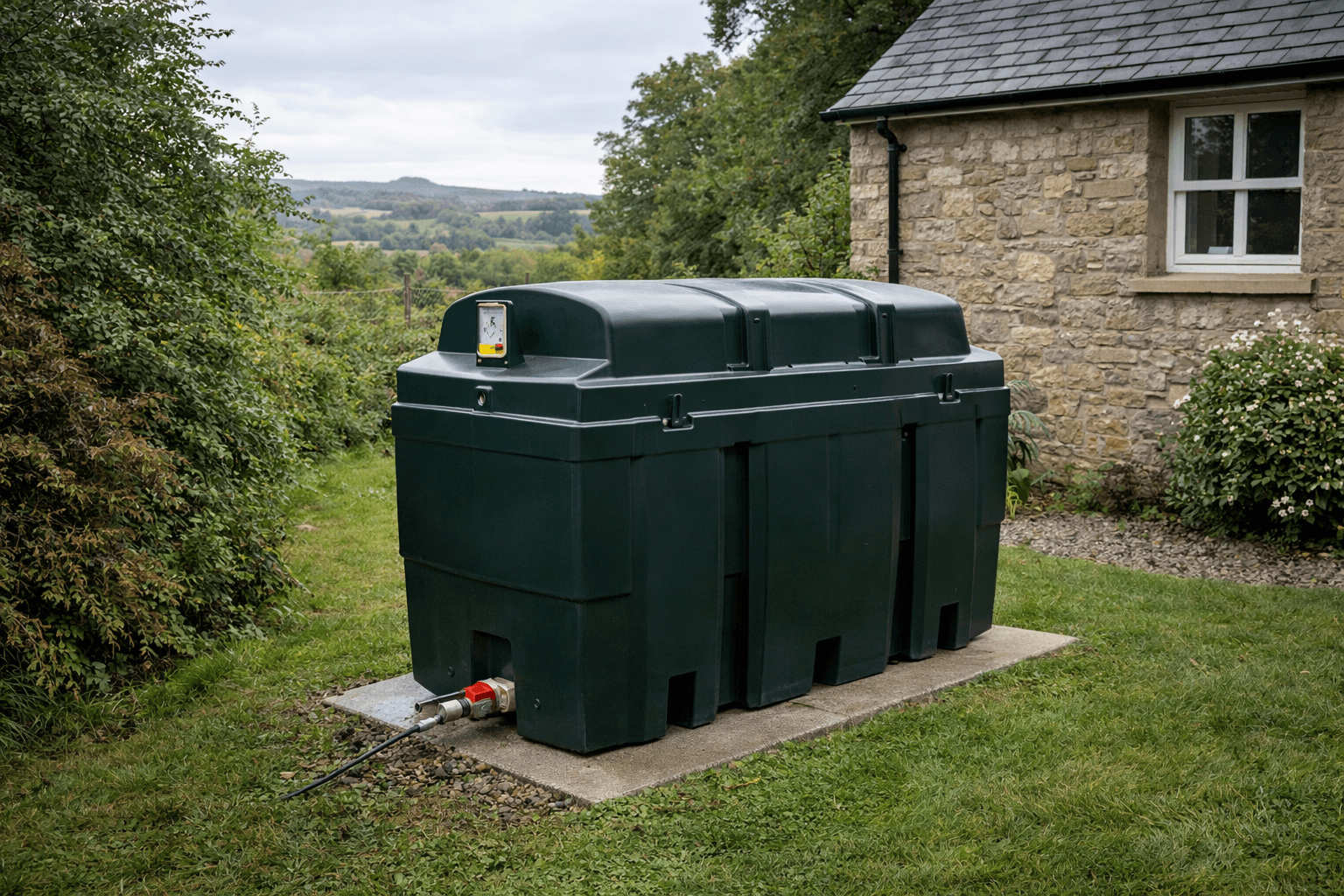
Seasonal Bunded Oil Tank Maintenance Guide for UK Homeowners
If you rely on heating oil, your bunded oil tank is one of the most important pieces of equipment on your property. Regular oil tank maintenance not only helps prevent leaks and fuel contamination, but also keeps you compliant with UK regulations and reduces the risk of costly emergency repairs.
Weather in the UK can be tough on outdoor tanks. From heavy rain to freezing temperatures, each season brings different challenges. This guide breaks down seasonal oil tank checks so you can keep your system safe, efficient, and ready for winter when you need it most.
Industry bodies continue to stress the importance of routine checks, especially as many households miss annual servicing. Recent guidance highlighted by OFTEC explains why regular oil tank inspections and servicing are critical for safety and performance:
https://www.oftec.org/news-blog/2025/03/19/advice-on-oil-tank-checks-for-households-as-fifth-miss-annual-boiler-service
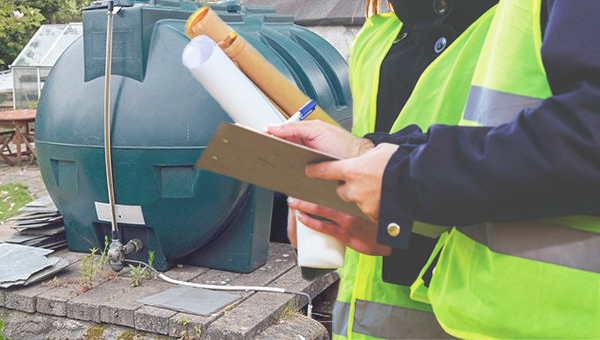
Spring: Inspect and Clean After Winter
After a long winter, spring is the ideal time for a thorough home oil tank inspection.
Check for water in the bund
Heavy rain and condensation can lead to water collecting in the outer bund. Standing water increases corrosion risk and may indicate drainage issues. Remove any water safely and investigate the source.
Inspect the tank and bund walls
Look closely for cracks, bulges, or signs of deterioration in both the inner tank and the outer bund. Damage here can lead to serious leaks, which are expensive and environmentally hazardous.
Clear the area around the tank
Remove leaves, debris, and overgrown plants. Good airflow and clear access make it easier to spot problems early and are often required under oil tank regulations in the UK.
Summer: Check Vents, Gauges and Pipework
Warm weather may seem low-risk, but summer is perfect for preventative heating oil tank care.
Inspect tank vents and overfill prevention devices
Make sure vents are not blocked by dirt, insects, or debris. Proper ventilation prevents pressure build-up and supports safe tank operation during fuel deliveries.
Check your oil level gauge
An inaccurate gauge can lead to unexpected runouts or overfilling. Confirm readings make sense compared to your usage and recent deliveries.
Look over fuel lines and connections
Check for signs of wear, corrosion, or loose fittings along exposed pipework. Early detection can prevent leaks later in the year when demand is higher.
Autumn: Prepare Your Bunded Oil Tank for Winter
Autumn is the most important season for oil tank maintenance, as it sets you up for heavy winter use.
Prevent sludge and microbial growth
Condensation inside the tank can lead to water contamination, which encourages microbial growth often referred to as “diesel bug” or sludge. Additives may be recommended, but professional advice is best if contamination is suspected.
Book an annual professional inspection
A qualified technician can carry out a more detailed oil tank safety check, inspect filters and pipework, and make sure your system is ready for winter. This is also a good time to confirm your setup still meets current oil tank replacement regulations and safety standards.
For a clear breakdown of UK rules around tank condition, location, and when a tank must be replaced, this guide from The Heating Hub is a useful reference:
https://www.theheatinghub.co.uk/oil-tank-replacement-regulations-guide
Winter: Carry Out Regular Visual Checks
During winter, your oil tank is working hardest. Small problems can quickly become emergencies.
Look for leaks or strong oil smells
Check the ground around the tank and along fuel lines for wet patches, staining, or unusual odours. Even small leaks should be dealt with immediately to avoid environmental damage.
Monitor the tank after severe weather
Freezing temperatures, snow, and high winds can affect pipework and supports. Make sure the tank remains stable and that no components have been damaged.
Keep access clear for deliveries
Ensure delivery drivers can safely reach the tank. Ice, snow, or blocked paths can delay deliveries just when you need heating most.
Keep Records of Your Oil Tank Maintenance
Documenting every oil tank check, service, and repair is important. Good records help with:
-
Insurance claims
-
Property sales
-
Proving compliance with environmental and safety standards
-
Tracking recurring issues
A simple maintenance log with dates, findings, and any actions taken can save a lot of stress later.
When to Call a Professional
While regular visual checks are essential, some issues should always be handled by trained specialists. If you notice structural damage, persistent water contamination, strong oil smells, or suspect your tank no longer meets regulations, it is time to get expert help.
You can contact the team at OTP Energy for advice, inspections, or support with your oil storage and heating system here:
https://otpenergy.co.uk/contact-us/
To learn more about the services available, including support around oil storage and heating solutions, visit:
https://otpenergy.co.uk/#services
Stay Safe and Compliant All Year Round
Your bunded oil tank quietly works in the background, but it plays a vital role in keeping your home warm. By following a simple seasonal oil tank maintenance routine, you reduce the risk of leaks, protect the environment, and stay aligned with UK safety expectations.
A few checks each season, plus an annual professional inspection, can make the difference between reliable heating and a costly emergency.

Leave a Reply