

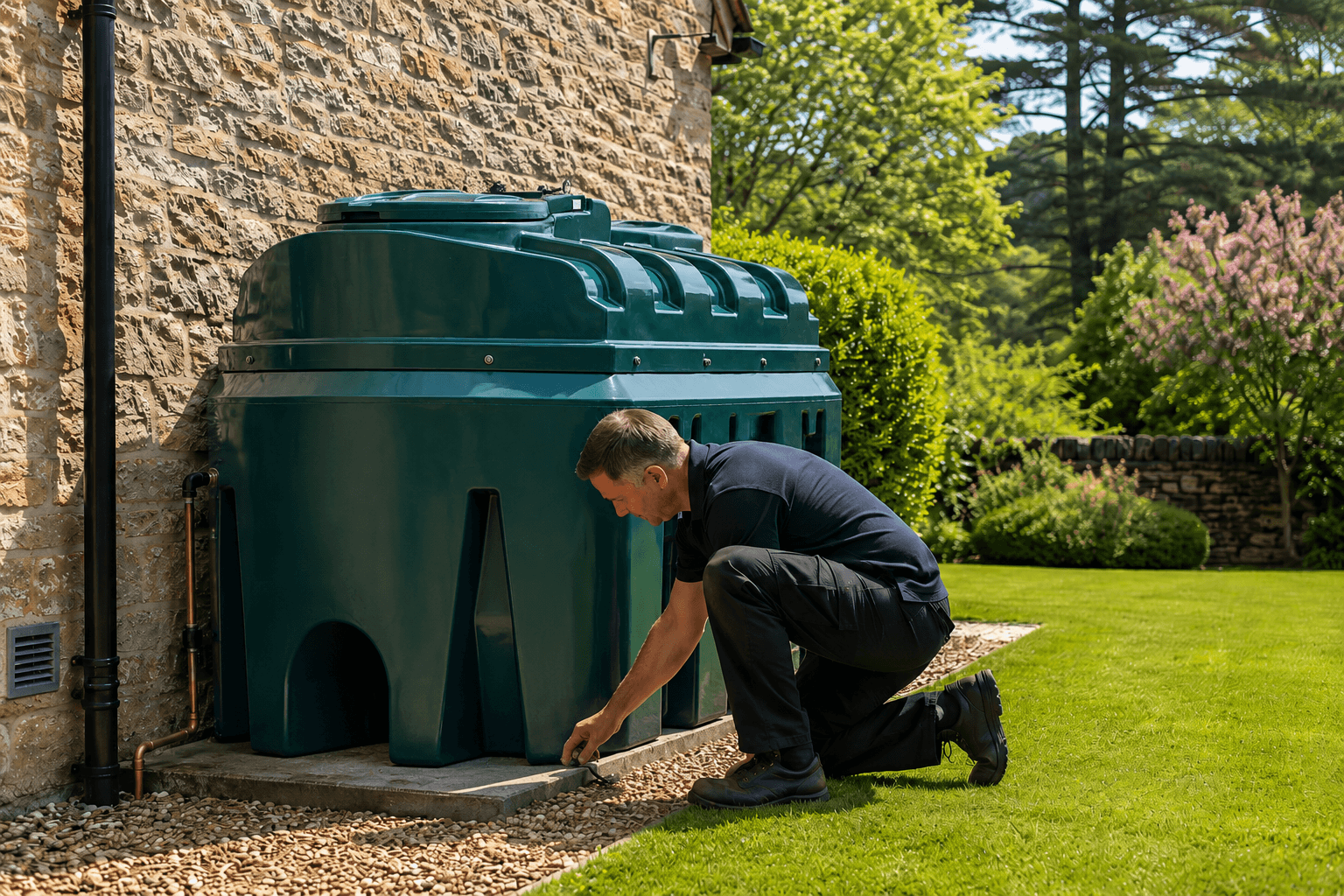
Oil Tank Maintenance Tips for UK Homeowners This Summer
As the warmer months arrive, many UK homeowners naturally stop thinking about their heating system. The boiler is used less, heating oil demand drops and winter can feel a long way off. But this is exactly why spring and summer are the best times to check your oil tank.
Regular heating oil tank maintenance helps you spot small issues before they become expensive, stressful or unsafe. A minor crack, unstable base, damaged pipe or hidden leak may not seem urgent during summer, but it can quickly become a serious problem once colder weather returns and your heating system is working harder.
For homeowners who rely on domestic heating oil, a few simple summer oil tank checks can make a big difference. They help protect your property, reduce the risk of oil loss and give you more confidence before autumn and winter arrive.
Why Summer Is the Best Time to Check Your Oil Tank
Summer gives you better conditions for inspecting your oil tank properly. The weather is usually drier, daylight lasts longer and the ground around the tank is often easier to access. This makes it much easier to spot cracks, rust, movement, damp patches or signs of oil staining.
It is also a good time to deal with any issues calmly. If a problem is discovered in December or January, you may be dealing with colder weather, higher heating oil demand and a more urgent need for repairs. By checking your tank during the warmer months, you have more time to arrange professional support if needed.
The UK government also advises homeowners to check their heating oil tanks and look out for damage, leaks and signs of poor condition. You can read the official guidance here: check your heating oil tank.
Essential Oil Tank Maintenance Tips
A domestic oil tank inspection does not need to be complicated. You are not trying to carry out specialist repairs yourself. The goal is to look for visible warning signs and keep the area around the tank safe, tidy and accessible.
Start by checking the body of the tank. Look for cracks, splits, bulges, rust, discolouration or any visible signs that the tank has changed shape. Plastic tanks can weaken over time, especially if exposed to weather, sunlight or ground movement. Steel tanks may show rust, corrosion or flaking paint.
Next, inspect the ground around the tank. Wet patches, oily marks, strong fuel smells or dead vegetation can all suggest a possible leak. Even a small oil leak should be taken seriously, as heating oil can contaminate soil, damage surfaces and become expensive to clean up.
You should also check the tank base. The tank should sit level on a stable, non-combustible base that is strong enough to support the full weight of the tank when filled. If the base has cracked, sunk, shifted or become uneven, the tank may come under stress.
Keep the Area Around the Tank Clear
One of the simplest oil tank maintenance tips is to keep the surrounding area clean and easy to access. Overgrown plants, weeds, loose branches, garden furniture and stored items can make it harder to inspect the tank properly.
Vegetation can also hide early signs of leaks or damage. Trim back plants around the tank and remove anything that blocks access to the tank, pipework, fill point, gauge or inspection areas.
This is especially important before booking a delivery. A clear and accessible tank area helps the delivery driver reach the fill point safely and reduces the chance of delays or failed deliveries.
For more practical advice on checking your tank, this guide from Oil Tanks Plus is also useful: time to check your heating oil tank.
Check Pipework, Valves and the Oil Gauge
Your summer oil tank checks should also include the visible pipework and fittings connected to the tank. Look for damage, corrosion, loose fittings or signs of oil residue around joints and valves.
The oil gauge should also be working correctly. If the gauge seems stuck, inaccurate or inconsistent with your usage, it may need attention. Monitoring your oil level helps you avoid running low unexpectedly and can also help you notice unusual fuel loss.
If your oil level appears to be dropping faster than expected, do not ignore it. It may simply be higher usage than planned, but it could also point to a leak or fault somewhere in the system.
Warning Signs You Should Not Ignore
Some oil tank problems need professional attention quickly. Contact a qualified oil heating professional if you notice:
Cracks, splits or bulging on the tank body
Rust or corrosion on a steel tank
Oil stains, wet patches or dead grass around the tank
A strong smell of heating oil
A leaning, sinking or unstable base
Damaged pipework or leaking fittings
A faulty gauge or unexplained oil loss
Do not attempt to repair a damaged oil tank yourself. Temporary fixes can make the problem worse and may not be safe. If you are unsure, it is always better to get the tank checked properly.
Arrange a Professional Inspection
Homeowners can carry out basic visual checks, but a professional inspection is still important. A qualified engineer can assess the tank, pipework, base, fittings and wider oil storage setup more thoroughly.
A good routine is to carry out your own visual checks during the year and arrange a professional inspection at least annually, especially before the main heating season. Older tanks, exposed tanks and tanks showing early warning signs may need checking more often.
If your tank is nearing the end of its expected lifespan or you are unsure whether it still meets safe storage standards, professional advice is the safest route.
Plan Ahead for Heating Oil Deliveries
Summer is also a sensible time to review your heating oil levels and plan ahead. Waiting until the first cold snap can leave you ordering at a busier time, when demand may be higher.
At OTP Energy, we help UK homes and businesses with reliable heating oil supply and straightforward support. If you are preparing your property for the colder months, checking your tank and arranging your next delivery early can help you avoid last-minute stress.
You can also learn more about our heating oil delivery support through the OTP Energy services page.
Final Thoughts
Oil tank maintenance is easiest when it becomes part of your seasonal home routine. Spring and summer are the ideal times to check the tank body, base, pipework, gauge and surrounding area before colder weather returns.
By spotting early warning signs, keeping the area clear and arranging professional help when needed, you can reduce the risk of leaks, damage and unexpected heating issues. A few simple checks now can help protect your home, your heating oil supply and your peace of mind before winter arrives.