

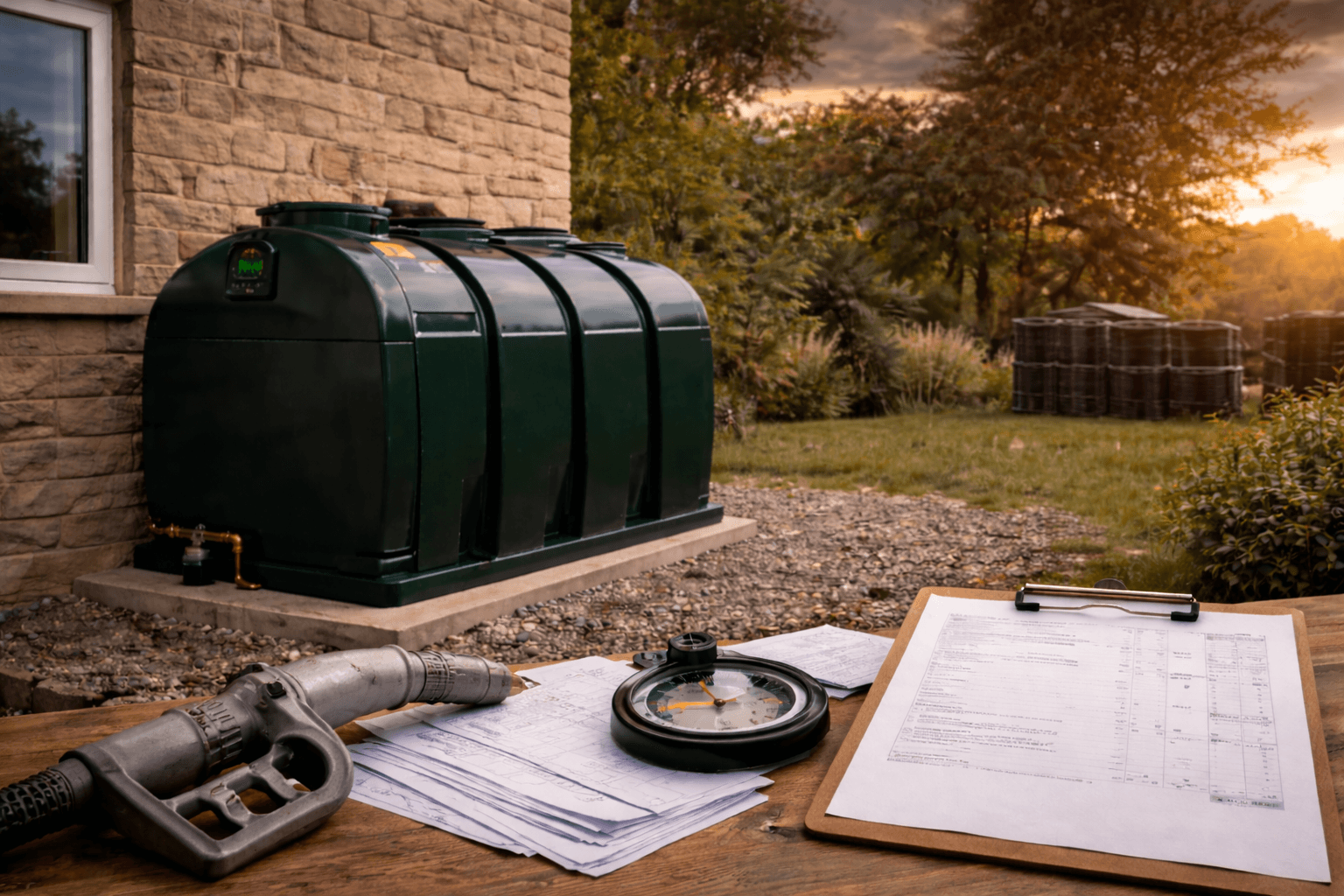
How Long Does 1,000 Litres of Heating Oil Last? A Practical UK Guide for Homes and Businesses
Understanding how long 1,000 litres of heating oil will last is one of the most useful things you can do if you want to budget properly, avoid running out unexpectedly, and manage your heating costs more confidently. For homes and businesses that rely on oil, there is no single fixed answer, because usage can vary hugely depending on the property, the weather, the heating system, and day-to-day habits.
That said, recent UK guidance gives a helpful benchmark. One current industry source says that for a medium-sized home, 1,000 litres of heating oil may last around 8 to 12 weeks during winter. What this really means is that some households may use 1,000 litres much faster, especially in older, less efficient buildings, while others may make it stretch for far longer in milder conditions or in better insulated homes. Other UK suppliers also publish broader estimates ranging from roughly 3 to 6 months, depending on the property and level of demand.
For anyone using oil heating in 2026, this question matters even more because heating oil costs remain a live issue in the UK. In March 2026, the government announced over £50 million in support for lower-income households affected by surging heating oil prices, and said it intended to introduce stronger consumer protections in the sector.
So, how long should 1,000 litres last?
As a realistic starting point, 1,000 litres may last around 2 to 3 months in winter for a medium-sized UK home, but that is only a guide, not a guarantee. In practice, the same volume of oil could last much less time in a large detached property with poor insulation, or much longer in a smaller, modern home that retains heat well. Broader consumer-facing estimates from UK suppliers suggest 1,000 litres may last anywhere from a few months up to around six months in some homes, depending on usage and efficiency.
This is why the best question is not just “how long does 1,000 litres last?” but also “how quickly does my property use heating oil?”
The main factors that affect heating oil usage
Several things have a direct effect on how long your oil supply will last.
Property size
Larger homes usually need more heat, especially if there are more rooms in regular use. A detached rural house will normally consume more heating oil than a small semi-detached property or bungalow.
Insulation and heat loss
Insulation is one of the biggest factors. Homes with poor loft insulation, draughty doors and windows, or older walls often lose heat quickly, which means the boiler needs to work harder and burn more oil. If your 1,000 litres seems to disappear faster than expected, heat loss may be one of the main reasons.
Boiler efficiency
An older or poorly maintained oil boiler will generally use more fuel to produce the same level of heat. A modern, efficient boiler that is serviced regularly should make better use of every litre.
Time of year
This is a big one. Your oil tank will drop much faster in winter than in spring or summer. Cold snaps, longer heating hours, and greater hot water demand all increase consumption. That is why a tank that seems to last ages in milder months can suddenly empty far more quickly once temperatures fall.
Daily heating habits
Your thermostat setting, how many hours the heating runs, how often you heat water, and how many people are in the building all matter. A family that keeps the home warm all day will use more oil than a household that only heats the property in the morning and evening.
A simple example calculation
One useful way to estimate how long your oil may last is to work backwards from daily usage.
If your home uses:
- 10 litres a day, 1,000 litres could last about 100 days
- 15 litres a day, 1,000 litres could last about 66 days
- 20 litres a day, 1,000 litres could last about 50 days
- 25 litres a day, 1,000 litres could last about 40 days
This is why general estimates can only go so far. Two homes with the same tank size may have very different refill patterns simply because their daily usage is different.
What does this mean in terms of cost?
The other side of the question is cost. Knowing how long 1,000 litres lasts helps you estimate how often you may need to reorder and how much to budget across the year.
Harpers Plumbing gives a worked example showing that a typical 3-bedroom home using 2,000 litres annually at 55p per litre would spend around £1,100 a year on heating oil. That figure will obviously rise or fall depending on the oil price at the time and the amount your property uses, but it shows why monitoring consumption is so important. If your property is burning through oil faster than expected, the yearly cost can climb quickly.
This is also why many households try to track usage more carefully during colder months rather than waiting until the tank is close to empty.
For a closer look at estimated running costs, see Harpers Plumbing’s guide on oil boiler running costs and ways to reduce your expenses.
Signs your heating oil is running out too quickly
If 1,000 litres is not lasting as long as you expected, there may be a reason beyond normal winter demand.
Some common causes include:
- poor insulation
- an ageing or inefficient boiler
- high thermostat settings
- longer heating hours than usual
- increased hot water usage
- colder weather than normal
- more people in the home or building
One current UK usage guide says that if 1,000 litres is lasting less than 8 weeks in winter for a medium-sized home, it can suggest that the property is losing heat too quickly or the boiler is not converting fuel efficiently. That will not apply to every building, but it is a useful warning sign.
How to make 1,000 litres last longer
If you want to improve value from every delivery, the goal is to reduce waste and improve efficiency.
Improve insulation
Loft insulation, draught-proofing, better windows, and wall insulation can all reduce heat loss and help your home stay warmer for longer.
Service your boiler regularly
A well-maintained boiler should run more efficiently and may help reduce unnecessary fuel consumption.
Use controls more effectively
Timers, thermostats, and smart heating controls can help you heat your property when you need it rather than burning oil unnecessarily.
Keep an eye on tank levels
Monitoring the level in your tank can help you spot sudden changes in usage and plan your next order more calmly.
Avoid last-minute emergency ordering
Ordering before your supply becomes critical can reduce stress and give you more flexibility. This matters even more when prices are volatile, as they have been in early 2026. The UK government said in March 2026 that kerosene prices had been especially affected by conflict in the Middle East and had risen faster than some other fuels.
Why this matters for UK homes and businesses right now
For off-grid households and businesses, heating oil is not just another utility bill. It often involves planning ahead, managing delivery schedules, and finding room in the budget for large top-up orders.
That pressure has become more visible in recent weeks. In March 2026, the government announced support for lower-income families struggling with soaring heating oil costs, while local authorities also published emergency support information for households unable to afford minimum deliveries. What this really means is that better fuel planning can make a real difference, especially during periods of high demand and price instability.
Final answer
So, how long does 1,000 litres of heating oil last? For many UK homes, a sensible winter estimate is around 8 to 12 weeks, especially for a medium-sized property, but the real answer will always depend on your individual circumstances. Factors such as insulation, boiler efficiency, outside temperatures, property size, and daily heating habits can all make a noticeable difference to how quickly your supply is used. Some households may find that 1,000 litres lasts only a couple of months during colder periods, while others may be able to stretch it much further.
That is why understanding your own usage matters far more than relying on a broad average alone. By keeping an eye on your tank levels, tracking how quickly you use oil in winter compared with milder seasons, and making small efficiency improvements where possible, you can build a much clearer picture of your household or business demand. In turn, that helps you plan ahead, avoid unexpected run-outs, and budget more confidently for future deliveries.
With heating costs remaining an important concern for many off-grid properties, taking a more informed approach to oil usage can make a real difference over time. Even simple steps such as servicing your boiler regularly, improving insulation, or adjusting your heating controls can help your oil go further and your heating system work more efficiently. If you want greater peace of mind, better value from every delivery, and fewer surprises during colder months, monitoring your usage closely is one of the smartest steps you can take.
To learn more about trusted fuel support and updates, visit the OTP Energy homepage or if you need local support, delivery guidance, or help planning your next order, explore OTP Energy services.
Leave a Reply