

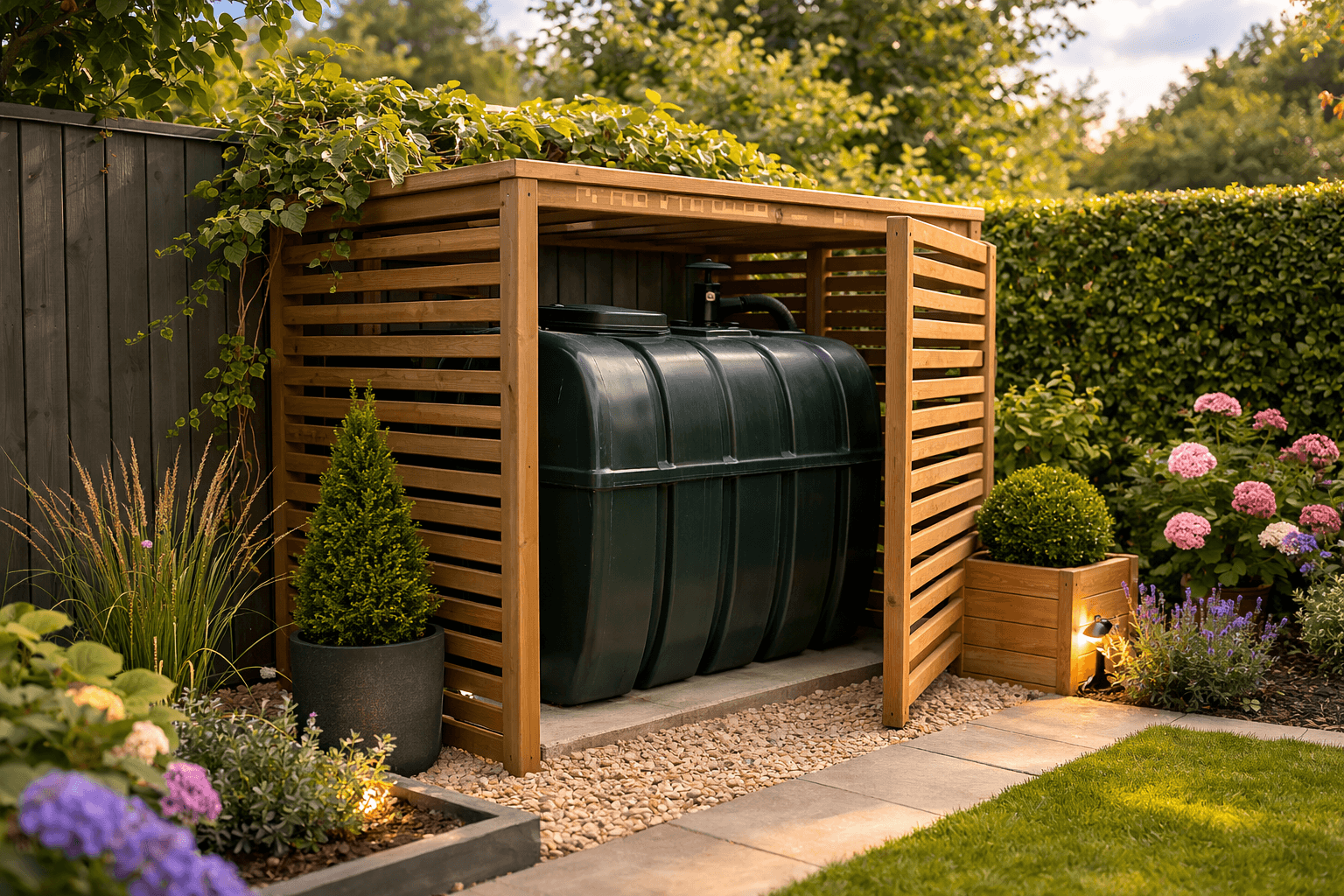
How to Hide an Oil Tank: Practical Ideas for a Smarter-Looking Garden
For many UK homeowners, an outdoor heating oil tank is a necessary part of the property, but that does not mean it has to dominate the look of the garden. A visible tank can feel awkward in an otherwise tidy outdoor space, especially if you have invested time and money into landscaping, patios, or planting. The good news is that there are several ways to improve the appearance of a domestic oil tank without compromising access, ventilation, or safety.
If you are wondering how to hide an oil tank, the best approach is usually one that balances appearance with practicality. You want the tank to blend in more naturally with its surroundings, but you also need to keep it accessible for inspections, maintenance, and refills. That means any oil tank screening ideas need to be thought through properly rather than treated as a purely decorative project. Advice from current industry guides consistently recommends screening methods such as fencing, trellis, planting, and enclosures, while also stressing the importance of ventilation and access.
In this guide, we will look at some of the most effective ways to hide oil tanks in gardens, along with a few important points to keep in mind before you start.
Why homeowners want to hide their oil tank
The most obvious reason is appearance. Even a well-installed tank can feel out of place in a carefully designed garden. Large plastic or steel tanks are practical, but they are rarely attractive features. Screening them can help soften the look of the space and make the garden feel more cohesive.
There is also a privacy and security angle. A tank that is partially concealed can be less visually intrusive from neighbouring properties or outdoor seating areas. Some homeowners also prefer discreet screening as part of a broader effort to make the tank area feel tidier and more integrated with the rest of the property.
That said, the goal should not be to completely bury the tank behind heavy planting or inaccessible structures. Guidance around domestic oil tank siting repeatedly highlights the need to maintain safe distances, adequate airflow, and clear access for servicing and filling.
1. Timber screening
Timber screening remains one of the most popular solutions for anyone looking for simple oil tank cover ideas. It is practical, widely available, and easy to make look attractive in a domestic garden. Slatted timber screens, trellis panels, and decorative fencing can all work well depending on the style of the outdoor space.
One of the biggest advantages of timber screening is that it can disguise the tank without making the area feel too closed off. A slatted or spaced design can help preserve airflow while still reducing the visual impact of the tank. It also tends to suit a wide range of gardens, from modern spaces to more traditional layouts.
If you go down this route, choose weather-resistant or treated timber so the screening lasts well outdoors. You should also avoid boxing the tank in too tightly. Current guidance on concealment options often recommends wooden trellising or fencing specifically because it can provide screening while still feeling light and breathable.
2. Purpose-built enclosures
A purpose-built enclosure can be a smart option if you want a cleaner and more structured finish. This can work especially well in gardens where the tank is close to patios, side access routes, or visible from the house. A well-designed enclosure can make the tank area look much neater and more intentional.
The key thing is not to build something that creates problems later. The tank still needs to be easy to inspect, refill, and maintain. The enclosure also needs to allow proper ventilation rather than trapping heat or restricting access around the unit.
This is where many DIY ideas go wrong. A domestic oil tank cover should improve appearance, not create a compliance or servicing headache. Before committing to any enclosure, it is worth checking relevant spacing and fire safety requirements for your particular installation. Broader guidance on oil tank fire and safety rules stresses that siting, separation distances, and surrounding structures all matter.
3. Shrubs, hedges, and planting
For homeowners who want a softer, more natural look, planting around the tank can be very effective. Shrubs, ornamental grasses, and evergreen hedges can all help break up the outline of the tank and make it less visually dominant.
This approach works best when it is planned carefully. Fast-growing evergreen plants are often a good choice because they provide cover for more of the year, but they should not be allowed to crowd the tank too closely. You still need room for inspections, access, and airflow, and overgrown planting can quickly turn into an inconvenience.
Current articles on hiding oil tanks regularly suggest hedges, foliage, and potted plants as attractive solutions, especially for homeowners who do not want a more obvious screen or fence. Pots can be particularly useful because they are flexible and easier to reposition if access is needed.
4. Fencing and decorative panels
A simple fence or row of decorative garden panels can be one of the quickest ways to hide an oil tank in a garden. This is especially effective if the tank sits along a boundary or in a corner where screening can blend into existing fencing.
Decorative panels, laser-cut screens, bamboo-style screening, or trellis-backed fencing can all make the tank area feel less industrial. These solutions can also be matched more closely to the style of your garden, which helps the screening feel intentional rather than improvised.
The main thing to watch is spacing. Screening should not be pushed so close to the tank that it creates maintenance difficulties or interferes with safe siting. Some industry guidance notes minimum distances from screening, vegetation, and boundaries, which is why design and positioning matter just as much as appearance.
5. Use colour and styling to make the tank blend in
Not every solution has to involve building something around the tank. In some cases, the best result comes from helping the tank blend into its surroundings. Articles on disguising above-ground tanks suggest that colour matching and surrounding styling can make a surprising difference, even if the tank itself remains visible.
That might mean coordinating nearby planters, screening, gravel, or fencing so the tank area feels less visually harsh. In some situations, using decorative pots, muted finishes, or complementary planting can shift attention away from the tank without overcomplicating the space.
This is often a good route for smaller gardens where a full enclosure would make the area feel cramped.
Important things to remember before hiding your oil tank
Before making changes around your tank, always think about the practical side first. Your tank needs to remain accessible for refills, maintenance, and checks. It also needs ventilation and should not be boxed in so tightly that it creates fire risk or prevents inspection.
If you are unsure, it is worth getting advice before building permanent screening or enclosures. That is especially true if your installation is older, close to structures, or already restricted on space.
A better-looking garden should never come at the cost of tank safety. The most successful domestic oil tank cover ideas are the ones that improve appearance while still respecting how the tank needs to function day to day.
Hiding your oil tank without losing practicality
The best oil tank screening ideas are usually the simplest. Timber screens, fencing, decorative panels, evergreen planting, and movable pots can all help reduce the visual impact of a tank while keeping the area practical. A purpose-built enclosure can also work well when it is properly designed with ventilation and access in mind.
For more inspiration, take a look at this guide on 4 creative ways to hide your oil tank and this article on how to disguise an aboveground oil tank. Both highlight simple but effective ways to improve appearance without losing function.
Final thoughts
Hiding a domestic oil tank is really about making your garden work better visually without creating new problems in the process. The right solution can make the tank far less noticeable, improve the overall appearance of the space, and help it feel more in keeping with the rest of your home. Whether you choose timber screening, decorative fencing, evergreen planting, or a more structured enclosure, the aim should always be the same: improve the look of the area while preserving ventilation, access, and safety.
It is also worth taking a practical view before making any changes. A screening idea might look great at first glance, but it still needs to allow enough airflow around the tank and leave room for inspections, maintenance, and fuel deliveries. The best solutions are the ones that strike a balance between appearance and function, helping your garden look more polished without creating inconvenience later. With a bit of planning, it is entirely possible to make your oil tank blend in more naturally while still keeping everything safe, accessible, and compliant.
At OTP Energy, we understand that homeowners want practical heating solutions that also work with the look and feel of their property. Whether you are improving the appearance of your garden, thinking about your current tank setup, or simply looking for a more reliable supplier, our team is here to help. Visit OTP Energy to learn more about our service, or head to our about page to find out more about who we are and how we support customers across the UK.
Leave a Reply